


Navigating the Shift: Key US Business Law Updates Every Owner Must Know in 2025
December 19, 2025
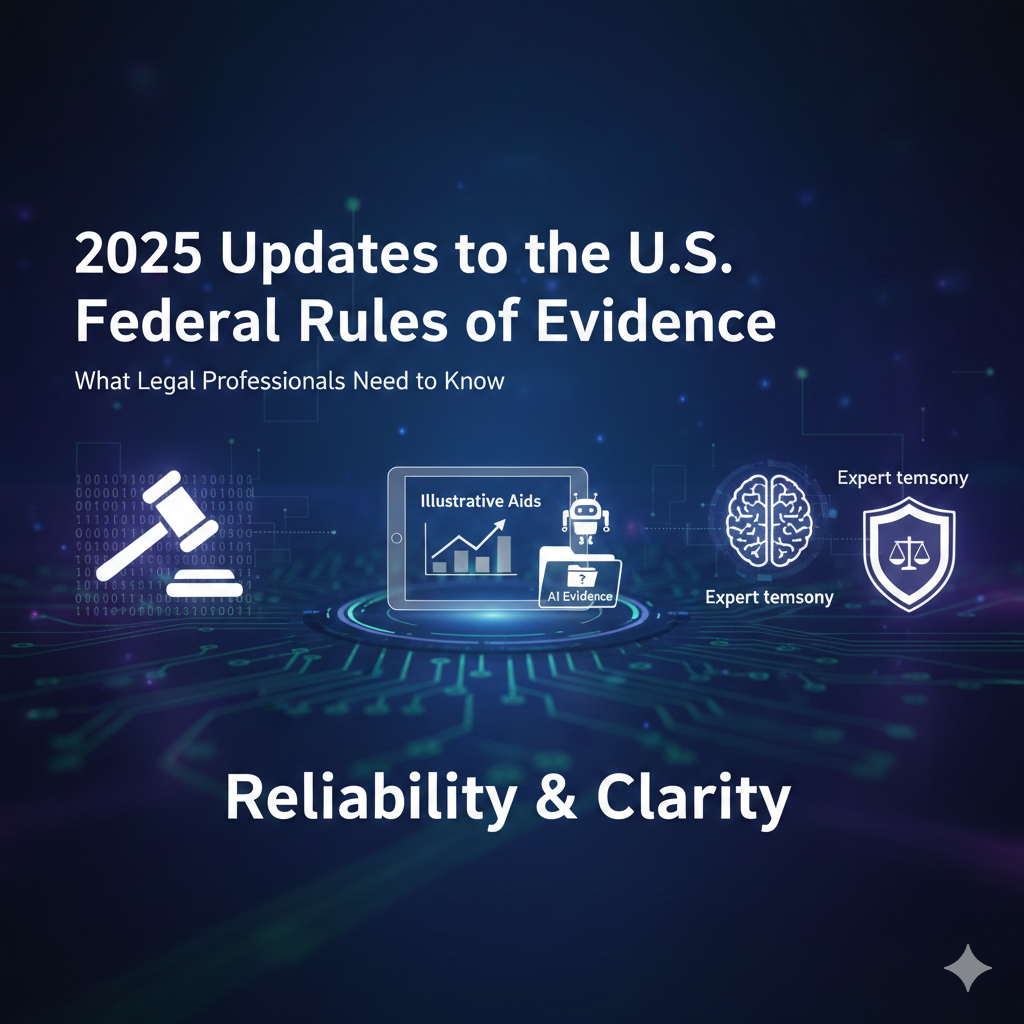
2025 Updates to the U.S. Federal Rules of Evidence: What Legal Professionals Need to Know
December 19, 2025
PART 1: KEY UPDATES IN THE CYBERSECURITY LAW 2025 (SUMMARY)
The 2025 Law represents a significant shift from the 2018 version, focusing on Emerging Technologies (AI) and Data Sovereignty.
- AI & Deepfake Regulation: Specifically prohibits the use of Artificial Intelligence to create unauthorized “Deepfakes” for fraud, defamation, or spreading misinformation.
- Protection of Vulnerable Groups: Strict mandates for service providers to implement safety filters and protective measures for children, the elderly, and people with cognitive disabilities.
- Enhanced Data Sovereignty: Reinforces the requirement for cross-border service providers to store “Critical Data” of Vietnamese users locally. It clarifies the definition of “Data as a National Asset.”
- Critical Information Infrastructure (CII): Expanded the list of sectors considered critical, requiring higher security standards for finance, energy, and healthcare.
- Funding Mandate: Organizations must allocate at least 15% of their IT budget specifically to cybersecurity measures (up from the previous 10% guideline).
- Domestic Technology Preference: Encourages the use of “Make in Vietnam” cybersecurity products to ensure national technological autonomy.
PART 2: WORDPRESS BLOG POST DRAFT
Title: Vietnam’s New Cybersecurity Law 2025: What Businesses and Users Need to Know
Featured Image Idea: A futuristic digital shield over a map of Vietnam or an abstract representation of AI and data protection.
Post Content:
The digital landscape in Vietnam is undergoing a major legal transformation. On December 10, 2025, the National Assembly officially passed the Cybersecurity Law 2025 (slated to take effect on July 1, 2026).
This new legislation isn’t just a minor update; it is a comprehensive framework designed to tackle the challenges of the AI era. Here are the top 4 takeaways you need to stay compliant and safe.
1. The Crackdown on Deepfakes
As AI technology evolves, so do digital scams. The 2025 Law explicitly bans the creation and distribution of unauthorized Deepfakes—AI-generated media used to impersonate individuals. For businesses, this means implementing stricter identity verification; for users, it provides a legal shield against digital identity theft.
2. Protecting the Most Vulnerable
In a first for Vietnamese law, there is a dedicated focus on protecting “Vulnerable Groups” online. Platforms like TikTok, Facebook, and local apps must now deploy proactive tools to shield children and the elderly from harmful content, cyberbullying, and predatory practices.
3. Data Localization & Sovereignty
Data is the new oil, and Vietnam is treating it as a national asset. International tech giants and local firms must comply with stricter rules regarding where data is stored and how it is processed. If your business handles the personal data of Vietnamese citizens, ensuring your servers meet these “Data Sovereignty” requirements is now a top priority.
4. The 15% Budget Rule
Cybersecurity is no longer an afterthought. The new law mandates that a minimum of 15% of total IT investment must be dedicated to security operations and defenses. This is a clear signal for enterprises to shift from “reactive” to “proactive” security stances.
Final Thoughts
The 2025 Law reflects Vietnam’s ambition to become a digital powerhouse while maintaining a secure social order. Whether you are a business owner or a casual internet user, understanding these boundaries is key to navigating the Vietnamese digital market safely.